
Preparing for a New School Year with Autism
Navigating the Back-to-School Season with Confidence and Care

Setting the Stage for a Successful Year
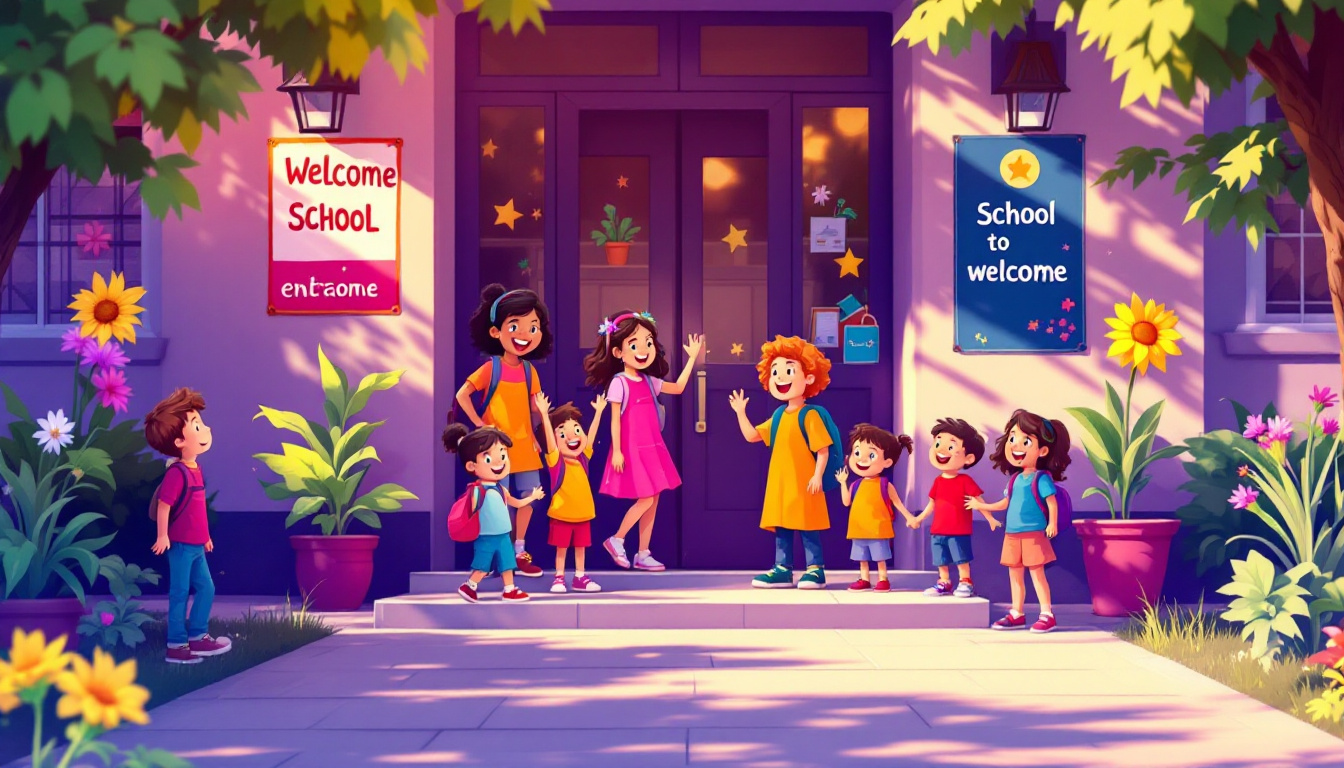
Beginning a new school year can be both exciting and challenging for children with autism, their families, and educators. Adequate preparation, tailored strategies, and collaborative efforts are essential to ensure a smooth transition. This comprehensive guide explores effective methods for planning, supporting, and adapting to meet the unique needs of autistic students, fostering confidence and independence from the outset.
Early Preparation and Familiarization

How can parents and educators prepare children with autism for the start of a new school year?
Preparing children with autism for a new school year involves proactive steps to create a sense of security and predictability. Starting early, families and teachers can work together to re-establish routines that mirror the upcoming school schedule. This includes practicing wake-up times, morning activities, and school routines using visual supports like schedules and social stories.
Visiting the school before the start of the year is highly beneficial. Tours of the school environment help children become familiar with key areas such as classrooms, the main office, bathrooms, cafeteria, gym, library, and outdoor spaces like the playground. Creating a photo album or scrapbook of the school environment allows visual learners to learn about their new surroundings comfortably at home.
Engaging in social stories that depict typical day-to-day activities and routines can help children understand what to expect. These stories, often illustrated with photos and simple text, reduce anxiety by making social and daily routines predictable.
Practice runs are also helpful. For example, doing “dress rehearsals” for navigating hallways, riding the bus, or participating in classroom activities helps children build confidence. Meeting teachers and staff beforehand, either in person or virtually, ensures children recognize familiar faces on the first day.
Clear communication with the school is critical. Sharing information about the child's strengths, challenges, sensory sensitivities, and preferred supports ensures carers and educators can coordinate effectively. Establishing visual supports such as timers or transition objects, and practicing routines with these tools, supports smoother transitions.
Involving children in social activities like playdates can ease social adaptation and make the start of school less intimidating. Encouraging participation in extracurricular activities and introducing familiar routines gradually helps children adjust comfortably.
By combining these strategies—familiar environments, visual supports, early visits, and collaborative communication—parents and educators can set the stage for a positive and successful school transition for children with autism.
Supporting School Transitions with Visual and Routine-Based Strategies

What strategies can help support autistic children during school transitions?
Supporting children with autism during school transitions involves a thoughtful combination of tools and practices aimed at reducing anxiety and increasing familiarity.
One effective approach is using visual supports such as schedules, timers, and transition cards. Visual schedules, with pictures and symbols, help children understand what will happen throughout the day and what comes next. Timers and countdown systems provide visual cues about how long an activity will last, helping children anticipate changes.
Transition cards, which can be sequential or themed, prepare children for upcoming events or environment changes. Creating a picture or symbol-based 'finished' box helps children recognize when an activity has ended, easing the transition to the next task.
Gradual exposure is also crucial. Visiting the new environment, such as touring the school and meeting teachers beforehand, prepares children for the real experience. Doing dress rehearsals and practicing routines, like walking the hallways or doing simple tasks, build confidence.
Incorporating social stories and visual narratives into daily routines introduces children to new social situations and routines step-by-step. These stories, often illustrated with photos or drawings, depict real-life scenarios, making social expectations clear and predictable.
Sensory accommodations, like noise-canceling headphones or calming tools, combined with consistent routines, create a predictable and safe environment.
Close collaboration with teachers, therapists, and caregivers ensures that support strategies are personalized and adjusted as needed.
Overall, a structured approach using visual aids, gradual exposure, and detailed planning supports a smoother and more positive transition to the school routine for autistic children, helping them feel more confident and secure.
Effective Communication with School Staff and Families

How can parents and teachers effectively communicate during an autistic child's school transition?
Successful communication between families and school staff plays a crucial role in making the transition smooth for children with autism. A fundamental aspect involves sharing detailed, comprehensive information about the child's unique needs, including sensory sensitivities, behavioral challenges, strengths, and interests. This information helps educators tailor their support and classroom environment accordingly.
Utilizing visual aids and written communication tools can significantly enhance understanding. Visual schedules, social stories, picture cards, and communication charts help children grasp daily routines and social expectations. For example, a social story about entering the classroom and meeting new classmates reduces anxiety and prepares the child for social interactions.
Maintaining an open, ongoing dialogue is essential. Regular updates through emails, communication books, or scheduled meetings allow parents and teachers to discuss progress, share observations, and address any emerging concerns. This continuous feedback loop ensures that strategies remain effective and flexible as the child's needs evolve.
Respect for sensory and communication preferences is vital. Accommodations such as noise-canceling headphones or augmentative communication devices should be integrated seamlessly. Personalizing communication by using the child's name, clear language, and breaking instructions into small steps supports better processing.
Fostering collaboration and establishing a partnership built on mutual respect helps create a supportive environment. Laws like the Americans with Disabilities Act (ADA) and Individuals with Disabilities Education Act (IDEA) obligate schools to provide necessary accommodations and foster inclusive education.
Ultimately, transparent, empathetic, and consistent communication helps all parties work together toward a shared goal: supporting the child's success and well-being during their transition into school.
Environmental Adjustments and Classroom Strategies
What environmental adjustments can aid autistic children in the classroom during transitions?
Creating a supportive classroom environment is essential for helping autistic children thrive, especially during periods of transition. One effective adjustment is establishing a quiet, sensory-friendly space within the classroom where children can go to self-regulate or take a break if they become overwhelmed. This space should be calming and equipped with sensory tools like soft lighting, sensory bins, or comforting objects.
Reducing sensory stimuli is also crucial. Using fixtures such as dimmable lights, sound-muffling panels, or noise-canceling headphones can help manage sensory overload caused by bright lights, loud sounds, or bustling activity.
Visual supports are powerful tools in easing transitions. Visual schedules, clear signage, and classroom maps help children anticipate upcoming changes and understand routines, which reduces anxiety.
Incorporating sensory tools like sunglasses, fidget toys, weighted blankets, or chewable jewelry can help children self-regulate sensory input throughout the school day.
Organizing the classroom layout to promote predictability is beneficial. This includes keeping areas uncluttered, clearly defining work zones, and setting up flexible seating options such as wobble stools or bean bags.
Designating calm zones and providing consistent routines foster a stable environment, allowing children to feel secure even during change.
Finally, open communication with each child regarding their sensory preferences and needs can tailor adjustments effectively, supporting smoother transitions and emotional well-being in the classroom.
Addressing Sensory and Social Development Needs
How can sensory challenges and social skills development be supported during school transitions?
Supporting children with autism through school transitions requires a comprehensive approach that addresses both sensory sensitivities and social skills. Tailoring strategies to each child's specific needs ensures they feel safe and confident as they adapt to new environments.
Sensory accommodations play a vital role. Creating sensory-friendly spaces within the classroom, such as quiet corners or a calming area, helps children manage sensory overload. Using visual supports like picture schedules or social stories prepares children for upcoming changes and social expectations.
Implementing sensory diets, which include scheduled sensory activities and breaks, helps regulate arousal levels. Involvement of occupational and physical therapists can provide targeted interventions, such as sensory integration therapy, to improve sensory processing.
Classroom modifications—like reducing overstimulating stimuli, offering noise-canceling headphones, or providing sensory tools like fidget toys—are effective strategies.
For developing social skills, role-playing activities allow children to practice social interactions in a controlled, supportive setting. Social stories help illustrate social norms and routines, easing anxieties about social situations.
Facilitating peer involvement through buddy systems and group activities encourages positive peer relationships and social engagement. These opportunities promote empathy, communication, and collaboration.
Consistent collaboration among teachers, therapists, families, and the children ensures that support remains aligned and effective. Regular review and adjustment of strategies are essential to accommodate developmental progress and changing needs.
By combining individualized sensory strategies with structured social skills training, educators and families can help children with autism navigate school transitions more smoothly, building confidence and fostering their social and sensory development.
Fostering Self-Advocacy and Independence in Autistic Children

What techniques can help autistic children with self-advocacy and independence at school?
Supporting children with autism in becoming more independent and self-advocating involves several practical strategies. Explicitly teaching self-advocacy skills is essential. This includes guiding children on how and when to request accommodations, such as using visual supports or AAC devices to communicate needs.
Role-play activities serve as effective methods to practice advocating for oneself. In these simulated environments, children can rehearse requesting help, explaining their sensory needs, or asking for breaks.
Including children in their Individualized Education Program (IEP) meetings and encouraging active participation helps them understand their rights and develop confidence. These opportunities allow children to voice their preferences and be part of the decision-making process regarding their education.
Enhancing communication skills through visual schedules, social stories, and AAC tools further supports self-expression. These methods help children articulate their needs and contribute to a sense of autonomy.
Teaching daily living skills such as self-care routines, household chores, and navigating community settings gradually builds independence. Breaking tasks into manageable steps and practicing them regularly promotes mastery and confidence.
Supporting early self-advocacy and decision-making fosters a sense of control. Modeling assertive communication, encouraging choices, and providing opportunities to practice these skills prepare children for autonomous functioning in school and beyond.
Developing these abilities not only enhances academic success but also promotes social engagement and emotional well-being, empowering children with autism to navigate their environments more confidently.
Supporting Exam Preparation and Academic Success

How should parents prepare autistic children for exams and assessments?
Parents can help autistic children feel more confident and less anxious about exams by familiarizing them with what to expect. Using visual aids like timetables, sample questions, and social stories can prepare children for the testing environment and structure.
Creating a predictable routine around study and exam times is essential. Parents should also incorporate interest-based activities into revision to increase engagement. For example, using favorite themes or characters in study materials can make preparation more appealing.
Providing a calm, sensory-friendly space during studying and breaks can help prevent sensory overload. This might include noise-canceling headphones, fidget toys, or dim lighting. Collaborating with teachers ensures that necessary accommodations—such as extra time, breaks, or alternative responses—are in place.
Introducing priming activities like role-playing or reviewing familiar visuals helps children understand and feel prepared for assessment procedures. Support from professionals, along with consistent routines, can further ease the process.
Finally, reviewing results with educators or therapists offers insights for developing tailored strategies. This combined approach helps children approach exams with increased confidence and the best possible support system.
Supporting Every Step of the Way
A successful transition into the new school year for children with autism requires a thoughtful, personalized approach built on early preparation, effective communication, sensory and environmental accommodations, and fostering independence. Collaboration among parents, educators, therapists, and the children themselves creates a supportive network that addresses individual needs and promotes confidence, safety, and enjoyment in the learning environment. By implementing these strategies, families and schools can work together to make the start of the school year a positive and empowering experience for every child.
References
- Preparing for the new school year | Autism Speaks
- How to Get Your Child with ASD Ready for a New School Year
- Back to school: 17 Tips to help autistic kids | Autism Speaks
- Getting Ready for School: Transition Tips for Students with Autism
- Preparing Autistic Children For Their First Day Of School
- 13 Parenting Tips to Help Prep a Child with Autism for Back to School
- starting or switching school - National Autistic Society

