
How to Use Visual Schedules in ABA Therapy for Better Structure
Harnessing Visual Schedules for Enhanced ABA Therapy Outcomes

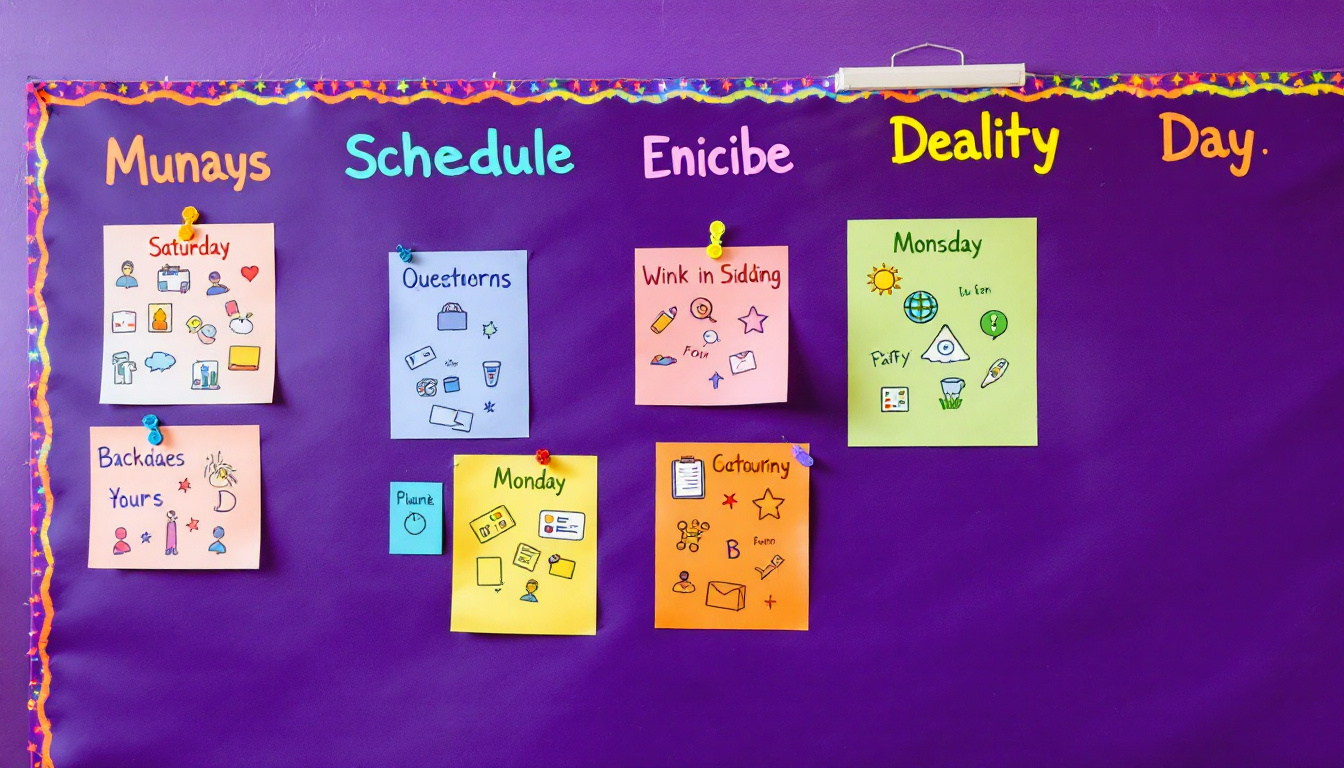
The Transformative Power of Visual Schedules
Visual schedules have emerged as powerful tools within Applied Behavior Analysis (ABA) therapy, offering a roadmap for children's daily activities. They are particularly beneficial for students with autism, serving to alleviate anxiety and promote independence. This article explores how visual schedules can be effectively integrated into ABA therapy to enhance structure and predictability.
The Critical Role of Visual Schedules in the Classroom

What are the benefits of using visual schedules in the classroom?
Visual schedules in the classroom offer numerous benefits for students, especially those with special needs. They provide clear expectations, helping to reduce anxiety and uncertainty, which is crucial for children who thrive in structured environments. By visually outlining the sequence of activities, these schedules allow students to understand what to expect throughout the day, which can enhance their focus and engagement.
Here are some key advantages of implementing visual schedules:
- Clarity and Predictability: By using pictures or symbols, visual schedules make it easier for students to grasp complex routines, thus improving comprehension and confidence.
- Support for Diverse Learning Needs: These schedules can be adapted to suit various learning styles and individual requirements, catering effectively to children with language delays or autism.
- Enhanced Independence: Visual aids encourage students to manage their daily routines autonomously, fostering self-reliance without depending on constant reminders from teachers.
- Facilitating Transitions: Visual schedules provide advanced warnings for upcoming changes, allowing students ample time to shift gears from one activity to the next.
How can visual schedules be adapted for individual needs?
Creating effective visual schedules involves personalization. Teachers are encouraged to assess students' strengths and preferences when designing these tools. Here’s how:
- Choosing Relevant Visuals: Opt for images or symbols that resonate with the student’s interests and understanding.
- Incorporating Flexibility: Adjust the schedule as needed based on the child’s response and level of comfort, ensuring that it remains effective.
- Engaging the Student: Encourage involvement in the creation process to give them ownership of their learning experience.
How do visual schedules aid in smooth transitions?
Transitions can often be a challenging aspect of the school day for many students. Visual schedules play a vital role here by:
- Providing Visual Prompts: These schedules help clarify expectations for forthcoming activities, making transitions smoother.
- Using Timers or Indicators: Incorporate visual cues to signal upcoming transitions, allowing students time to prepare mentally.
- Reinforcing Structure: Consistent use of visual schedules creates an organized environment that minimizes anxiety and promotes a sense of stability for all students.
Why Visual Schedules are Vital for Children with Autism

Why are visual schedules important for children with autism?
Visual schedules play a crucial role in the lives of children with autism by providing routine and structure, which are essential for their emotional and developmental well-being. These schedules represent activities using pictures, symbols, or text, offering a clear roadmap of what to expect throughout the day. By depicting daily activities in a sequential manner, visual schedules significantly reduce the anxiety often associated with unpredictable routines.
In addition, visual schedules enhance communication skills. They allow children to express their understanding of scheduled tasks or indicate when they need assistance, promoting more effective interaction with caregivers and peers. The visual representation can bridge gaps in communication, especially for non-verbal children or those with language delays.
Moreover, these schedules foster independence. Children can learn to refer to their visual schedule for transitioning between activities without constant reminders from caregivers or teachers. This encourages self-reliance and builds confidence, as children successfully navigate through their daily routines. By breaking down complex tasks into manageable steps, visual schedules make learning new skills more accessible.
In summary, the use of visual schedules is invaluable in providing support to children with autism, enhancing predictability, improving communication, and promoting independence, all of which contribute to a more structured and less stressful daily experience.
Implementing Visual Schedules in ABA Therapy

How do you implement a visual schedule in ABA therapy?
To effectively implement a visual schedule in ABA therapy, follow a structured approach that caters to individual needs. Start by selecting appropriate visuals—these can range from photographs to symbols or simple drawings. Choose images that resonate with the learner and represent their activities clearly; this is crucial for promoting engagement and understanding.
Begin with simple tasks that the child is already familiar with, such as ‘getting dressed’ or ‘brushing teeth’. Gradually introduce more complex activities as the learner becomes more comfortable navigating their routine. Remember, the goal is to avoid overwhelming the learner, so pacing is critical.
Incorporate visual prompts alongside the schedule. For instance, use timers or visual indicators to signal transitions between activities. This can alleviate anxiety by providing children a heads-up about upcoming changes, thereby aiding in their preparation and reaction to different tasks.
Encouraging independence is vital, as visual schedules empower learners to take ownership of their daily routines rather than relying on constant reminders from adults.
Finally, reinforce the successful use of the visual schedule with positive feedback or rewards. This will help the child associate following the schedule with positive outcomes, motivating them to utilize it consistently.
How to ensure skills are generalized across environments?
It’s important to focus not only on using visual schedules in a single setting but also on generalizing the skills learned into different environments. This can involve introducing the visual schedule in various contexts, such as home, school, or community settings.
This collaborative strategy encourages involvement from caregivers and teachers, ensuring that everyone is on the same page in supporting the child’s independence.
As the child becomes familiar with their visual schedule in multiple settings, they will be better equipped to manage their daily activities with confidence and autonomy.
Crafting Personalized Visual Schedules for Autistic Children

How do you create a visual schedule for a child with autism?
Creating a visual schedule for a child with autism involves several strategic steps aimed at providing clarity and structure. Begin by assessing the child's individual needs and routines. This foundational understanding is crucial because the very purpose of visual schedules is to alleviate anxiety by enhancing predictability in daily activities.
Start the schedule by selecting appropriate visual formats. You can use photographs, symbols, or simple icons that resonate with the child, ensuring they grasp the activities effectively. It's optimal to present activities in a sequential order, allowing the child to see what comes next without confusion. To provide flexibility, keep time slots vague and focus on the activities themselves.
Gradual introduction and reinforcement
When introducing the visual schedule, employ a gradual approach. Start with a few familiar activities to avoid overwhelming the child. This also gives them the opportunity to become comfortable with the schedule's format. Positively reinforce their engagement by celebrating small successes, such as completing tasks as outlined in the schedule. Rewards can range from verbal praise to tangible incentives.
Additionally, regular reviews of the visual schedule are essential to ensure it meets the child’s evolving needs. Incorporate input from the child, which fosters a sense of ownership over their routines. This collaboration can significantly enhance their willingness to engage with the schedule.
| Key Component | Importance | Example Formats |
|---|---|---|
| Assessing Needs | Tailors the schedule to the individual child | Parent interviews, Observations |
| Visual Formats | Helps understand activities clearly | Pictures, Symbols, Text |
| Gradual Introduction | Reduces feelings of overwhelm | Start with 2–3 tasks |
| Positive Reinforcement | Encourages adherence to the schedule | Verbal Praise, Stickers |
By following these guidelines, visual schedules can become effective tools for promoting independence and reducing anxiety in children with autism.
Beyond Basics: Advanced Strategies with Visual Schedules

Integrating Visual Prompts for Independence
Visual prompts can significantly enhance the effectiveness of visual schedules. By incorporating these prompts, children can learn to complete tasks independently. For example, using symbols or timers alongside the schedule can provide additional cues that help them understand when to transition to the next activity. This approach fosters self-reliance and builds confidence in their ability to manage their daily routines.
Tailoring Complexity to the Child's Progress
When creating visual schedules, it’s vital to assess the child's capabilities and gradually increase the complexity of the tasks. Begin with simple visuals and straightforward sequences, ensuring that the child is comfortable before introducing more intricate steps. This gradual increase helps prevent overwhelming the learner and ensures that their understanding deepens as they become more skilled.
Collaborative Approaches with Caregivers and Educators
Effective visual schedules benefit from collaboration among caregivers and educators. Sharing insights about how the child responds to their schedules fosters consistency across different environments. Regular communication helps tailor the visual schedule to fit seamlessly into home and school routines, supporting the child's development and reinforcing their learning experience.
Enhancing ABA Therapy with Visual Schedules
Visual schedules are not just tools; they are dynamic companions that support children through their daily routines. With careful implementation, these schedules offer a structured approach that reduces anxiety, fosters independence, and empowers children, especially those with autism, to engage more effectively in their surroundings. As ABA therapy continues to evolve, the strategic use of visual schedules can significantly improve outcomes for learners, guiding them toward greater autonomy and success.
References
- Why & How to Use Visual Schedules - TherapyWorks
- How to Teach Students to Use Visual Schedules - How to ABA
- Visual Schedules and How To Use Them - ABA Everyday
- The Importance of Visual Schedules for Students with Autism
- Creating a Visual Schedule for Children with Autism
- How to Teach Students to Use Visual Schedules - How to ABA
- visuals Archives - How to ABA

