
Diy Sensory Table for Autism
Creating Engaging Sensory Tables for Children with Autism

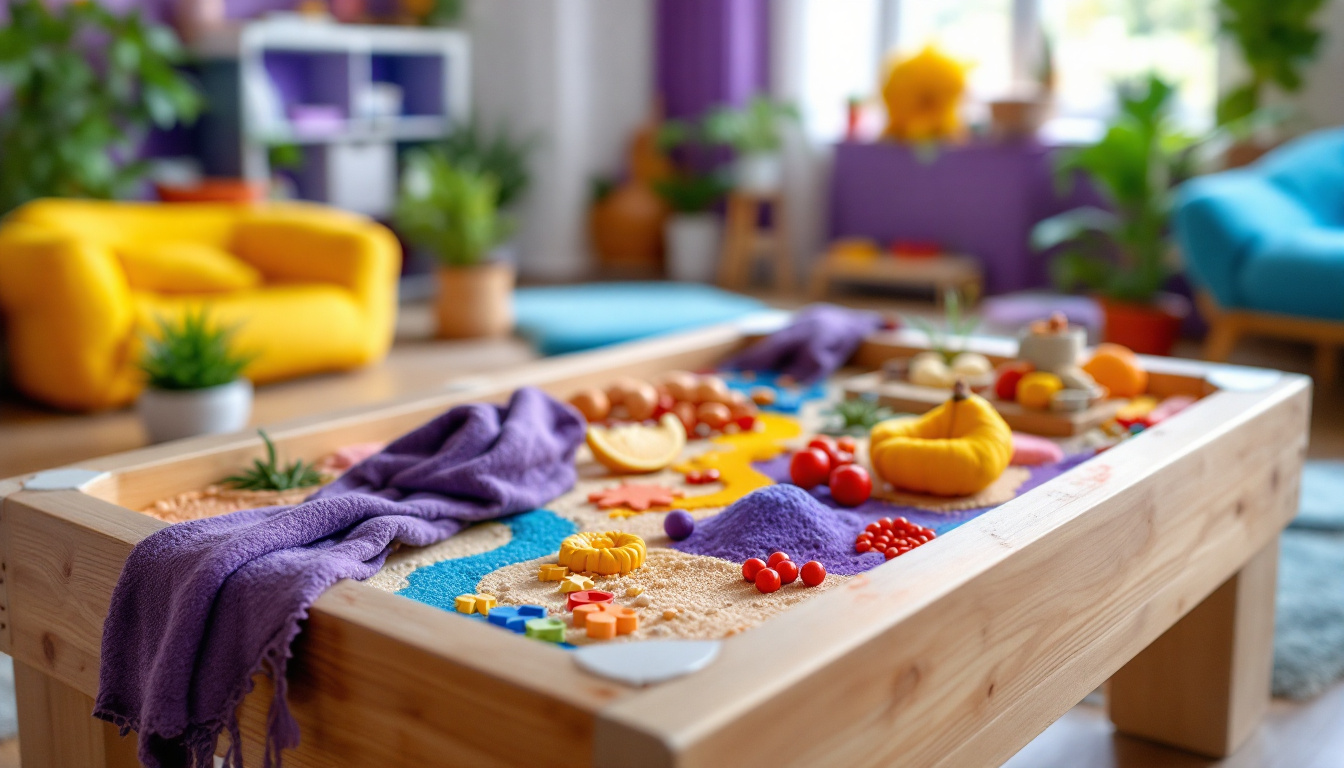
Introduction to Sensory Tables for Autism
Sensory tables offer innovative and therapeutic experiences for children with Autism Spectrum Disorder (ASD). They provide a multi-sensory environment that can enhance learning and developmental skills. This article delves into the various ways you can create a DIY sensory table at home, highlighting its benefits, materials, and practical setup tips. Sensory tables are instrumental in promoting sensory integration, language development, and social engagement, making them an invaluable tool for the growth and well-being of children with autism.
Understanding the Benefits of Sensory Tables for ASD
What are the benefits of sensory tables for children with Autism Spectrum Disorder (ASD)?
Sensory tables provide numerous benefits for children with Autism Spectrum Disorder (ASD). They facilitate essential sensory input, helping children explore and process information through tactile experiences. This interaction is particularly effective in easing anxiety and fostering emotional regulation.
Emotional regulation
Children often find solace in the textures and materials available at sensory tables. These calming experiences create safe spaces where they can retreat during overwhelming moments. By engaging with preferred textures, children can develop better coping mechanisms. Sensory play teaches them to navigate their feelings, promoting resilience over time.
Motor skills development
Interacting with sensory materials significantly improves both fine and gross motor skills. Activities such as pouring, scooping, and molding enhance hand-eye coordination and dexterity. These skills are vital for daily tasks like writing and self-feeding, which can lead to increased independence.
Cognitive, social, and emotional growth
Sensory tables stimulate cognitive development as children explore cause and effect through play. They encourage sharing and taking turns, which are essential social skills. Moreover, these interactions help children articulate their feelings and thoughts, supporting language development. This multifaceted approach not only fosters improved participation in activities but also boosts self-awareness and self-esteem.
Best Sensory Items for Children with Autism

What are some good sensory items for children with autism?
Good sensory items for children with autism can enhance their sensory experiences and help them manage their unique sensory processing needs. Here’s a list of effective sensory items:
- Slime and Putty: These provide tactile feedback, allowing children to squeeze and stretch, which can be calming or stimulating based on their sensory preferences.
- Kinetic Sand: It’s moldable and easier to clean than regular sand, encouraging creative play and fine motor skills.
- Weighted Stuffed Animals or Blankets: These can offer a soothing effect, helping to reduce anxiety and promote a sense of safety.
- Stress Balls: Squeezing these can help in regulation of emotions and offer a quick sensory outlet.
- Sensory Bottles: These visually stimulating items can capture attention and provide a calming effect when shaken.
DIY sensory toy suggestions
Creating DIY sensory toys is a great way to personalize sensory stimulation. Here are a few fun and easy ideas:
- Homemade Sensory Bins: Fill bins with items like rice, beans, or dried pasta. Include miniature toys or seasonal decorations for engaging play.
- Moon Dough: Simple to make with flour and baby oil, it fosters creativity while being a fun tactile experience.
- Rainbow Jars: Fill jars with layers of colorful liquids to create a visually appealing sensory experience.
- Noise Makers: Use plastic bottles filled with rice or beans to create portable instruments, allowing children to explore sound.
Importance of personalized sensory stimulation
Personalized sensory stimulation is crucial for addressing individual sensory needs. Tailoring sensory items or experiences can significantly impact a child’s ability to engage and cope. Using materials that cater to their likes and dislikes helps children feel more comfortable.
Accessing a variety of textures, sights, and sounds can support cognitive and emotional development, especially in children with autism. Regularly updating sensory activities or items keeps engagement levels high as children explore and learn through play.
Crafting a Sensory Space at Home

How to create a soothing sensory environment?
To create a sensory space for a child with autism, begin by integrating soft lighting along with calming sounds. This helps establish a soothing environment conducive to exploration and relaxation. Incorporate tactile and movement-based items such as:
- Exercise balls
- Rocking chairs
- Crash pads filled with pillows These elements provide necessary proprioceptive input which can be calming for children.
Moreover, organizing sensory toys in bins can prevent overstimulation while maintaining focus. Adding DIY elements, like tactile walls made from bubble wrap and various fabrics, enhances the sensory experience. Consider using soothing scents, such as those from essential oils, to further promote relaxation. Ensuring that the space is comfortable and safe will focus on promoting self-regulation and tranquility for the child.
How can sensory bins and boards enhance the experience?
Sensory bins and boards are fantastic tools to elevate the sensory experience. They enable children to learn through play and engage multiple senses, which is essential for development in children with autism.
Some materials you can include in sensory bins are:
- Dried beans or pasta
- Natural wood felt balls
- Plastic animals
What does a DIY sensory space design involve?
Creating a DIY sensory space can be a fun and engaging activity, allowing children to assist in the project. Steps to craft this space include:
- Gather materials to personalize sensory experiences.
- Arrange items thoughtfully or mark off sections for clarity.
- Use paint and tape to secure sensory items.
- Incorporate tactile items like felt bumpers and different textures.
With these elements, sensory spaces not only foster engagement but support emotional regulation and growth, making them exceptionally beneficial for children on the autism spectrum.
Guide to Creating a DIY Sensory Bin
How do you make a sensory bin for autism?
To make a sensory bin for autism, you’ll want to begin by choosing a safe and accessible container or sensory table. This could range from plastic bins to custom-built tables suited for play.
Next, fill your sensory bin with engaging materials that promote tactile exploration. Here are a few ideas:
- Rice or Dry Beans: These can provide a great base for scooping and pouring activities.
- Sand or Dirt: Perfect for outdoor sensory play, encouraging digging and molding.
- Non-food Items: Consider including pom poms, plastic animals, or even natural elements like leaves and sticks.
You can enhance the experience by theming the bin around different concepts, such as seasons or holidays. For instance, a Spaghetti Sensory Bin might feature yellow yarn as noodles, red pom-poms representing meatballs, and various felt shapes for added texture. This not only stimulates creativity but also enriches language development.
Thematic ideas for sensory bins
Here's a table summarizing various thematic sensory bin ideas:
| Theme | Materials Used | Skills Developed |
|---|---|---|
| Ocean | Blue jello, seashells, water | Language, imaginative play |
| Farm | Soil, toy animals, mini fences | Fine motor skills, counting |
| Holidays | Colored rice, holiday items | Creativity, thematic learning |
| Seasons | Leaves, pine cones, small toys | Exploration, sensory experiences |
Skill development through sensory bins
Sensory bins can significantly aid in developing important skills.
- Fine Motor Skills: As children manipulate objects, they strengthen their hand-eye coordination and dexterity.
- Language Development: Integrating themed materials encourages vocabulary related to specific themes, allowing children to articulate their experiences.
- Creative Play: Sensory bins stimulate imaginative interactions, strengthening cognitive development through exploration of cause and effect in a calming, structured setting.
In summary, crafting a sensory bin tailored for autistic children can be both fun and educational, turning playtime into an enriching experience.
Crafting a Sensory Board for Interactive Play
How do you make a sensory board for autism?
To make a sensory board for children with autism, start with a sturdy base such as strong cardboard, wood, or a large plastic lid. This foundation ensures durability during playtime.
Customize the board using tactile and visual objects like textured fabrics, buttons, bells, and various materials that enhance sensory exploration. For instance, adding different fabrics encourages children to feel and describe textures, fostering language development.
Incorporate Wikki Stix, which are engaging and tactile, perfect for developing fine motor skills and sparking creativity. They allow children to create without the pressure of making mistakes, promoting free expression.
Additionally, you can create sensory cards from sturdy cardstock and position them around the board. These could include different textures or images, adding variety and stimulation to the experience.
What are the benefits of sensory boards for autism?
A sensory board can promote cognitive development by providing opportunities for problem-solving and exploration. Children with autism can engage with their environment more interactively, which is crucial for fostering communication skills.
Moreover, these boards facilitate social interactions by encouraging shared play experiences. When children explore together, they practice essential skills such as turn-taking and conversation.
In essence, a sensory board acts as a therapeutic tool, making it easier for children on the spectrum to explore diverse textures and stimuli, ultimately contributing to their well-being and development.
DIY Sensory Table Ideas and Considerations
Different Types of Sensory Tables
Sensory tables come in various forms, each offering unique learning and engagement opportunities. Here are some popular options:
- Water Table: Great for sensory play and sibling interaction, but supervision is essential due to messiness.
- Sand Table: An accessible, tactile option that enhances interaction, though it can be quite messy.
- Fresh Herb Table: This promotes a love for nature, ideal for scientific exploration but needs adult oversight.
- LEGO Building Table: Encourages engineering skills but poses choking hazards.
Creative Materials for Sensory Tables
Enhance sensory experiences by filling tables with diverse materials. Great choices include:
- Dried Beans and Pasta: For creative exploration.
- Moon Dough (DIY): Made from flour and baby oil, it invites creativity while being fun and messy.
- Edible Mud: Engage children with pretend play while exploring textures.
Importance of Supervision and Safety
While sensory tables are wonderful for development and engagement, safety is paramount. Always supervise children, especially with small objects or materials that could cause choking. Moreover, regularly change sensory bin contents to keep experiences fresh and exciting. The therapeutic benefits, such as calming strategies for anxious children, make sensory tables an invaluable tool in nurturing creativity and social skills.
Benefits of Regularly Updating Sensory Play Materials
Keeping sensory play engaging
Children thrive on new experiences, and regularly updating sensory play materials ensures that these experiences remain fresh and exciting. Engaging new textures, colors, and tools captures children's curiosity, prompting further exploration and discovery.
Importance of alternating materials
Alternating materials not only provides variety but also addresses children's varying sensory needs and preferences. For instance, introducing new items can help softer textures appeal to those who may have sensitivities while encouraging children to investigate textures they might typically avoid.
Quarterly updates for sensory tables
A systematic approach, like quarterly updates, can keep children excited about sensory play. Each season or theme can bring distinct materials—such as dried leaves and pinecones in fall or sand and shells in summer. These updates can rejuvenate the sensory experience, ensuring it connects with children’s interests or seasonal changes. By taking this proactive approach, caregivers can enhance both the engagement and developmental benefits of sensory tables, fostering growth across multiple domains like fine motor skills, language development, and cognitive abilities.
Therapeutic Aspects of Sensory Play

Calming and Therapeutic Effects
Sensory tables offer a multitude of therapeutic benefits, particularly for children on the autism spectrum. The tactile nature of various materials can provide comfort through preferred textures, creating a calming atmosphere. For example, using items like dried beans or natural wood felt balls can soothe anxious feelings. Many children find that engaging with these sensory mediums helps them feel more grounded, especially during moments of overwhelm.
Contribution to Emotional Regulation
Research indicates that sensory play can significantly aid in emotional regulation. For children who tend to be hyperactive or anxious, sensory tables create safe spaces where they can explore and learn at their own pace. This exposure allows them to develop coping strategies, promoting emotional stability. Activities that incorporate engaging materials not only redirect focus but also foster self-soothing behaviors, facilitating a calming effect during stressful times.
Role in Sensory Processing Improvements
Lastly, sensory play plays a crucial role in enhancing sensory processing skills. By interacting with various textures and stimuli, children can gradually become more tolerant of sensations they might typically avoid. Sensory tables encourage exploration that leads to improved motor skills, language development, and social engagement as children learn to share experiences and communicate effectively.
Overall, sensory play provides a rich, multisensory experience that is not only enjoyable but also beneficial for the emotional and cognitive development of children.
Concluding Thoughts
Creating a DIY sensory table for children with autism requires thoughtful consideration of materials, safety, and the unique needs of each child. It is a rewarding endeavor that pays off with the extensive developmental and emotional benefits sensory play offers. The versatility of sensory tables allows for endless creativity and adaptation, making them a sustainable and enjoyable tool for supporting children with autism. As a space for exploration, interaction, and relaxation, sensory tables are an invaluable addition to the home, enriching both daily routines and the developmental journey of children with ASD.
References
- 10 Sensory Table Ideas For Autistic Children
- ASD Therapy: The Benefits Of Sensory Tables & 7 DIY Ideas | ART
- DIY Sensory Table for Kids - Megavan Mama
- How to Create a DIY Interactive Sensory Board - The Home Depot
- 50 Sensory Bin Ideas for Autism - A Day in our Shoes
- 9 Tips on How to Create a Sensory Room for Autism
- [PDF] Easy Ways to Create A Sensory Space for Kids with Autism

