
Developing Social Skills in Teenagers with Autism
Innovative Approaches to Foster Effective Social Engagement

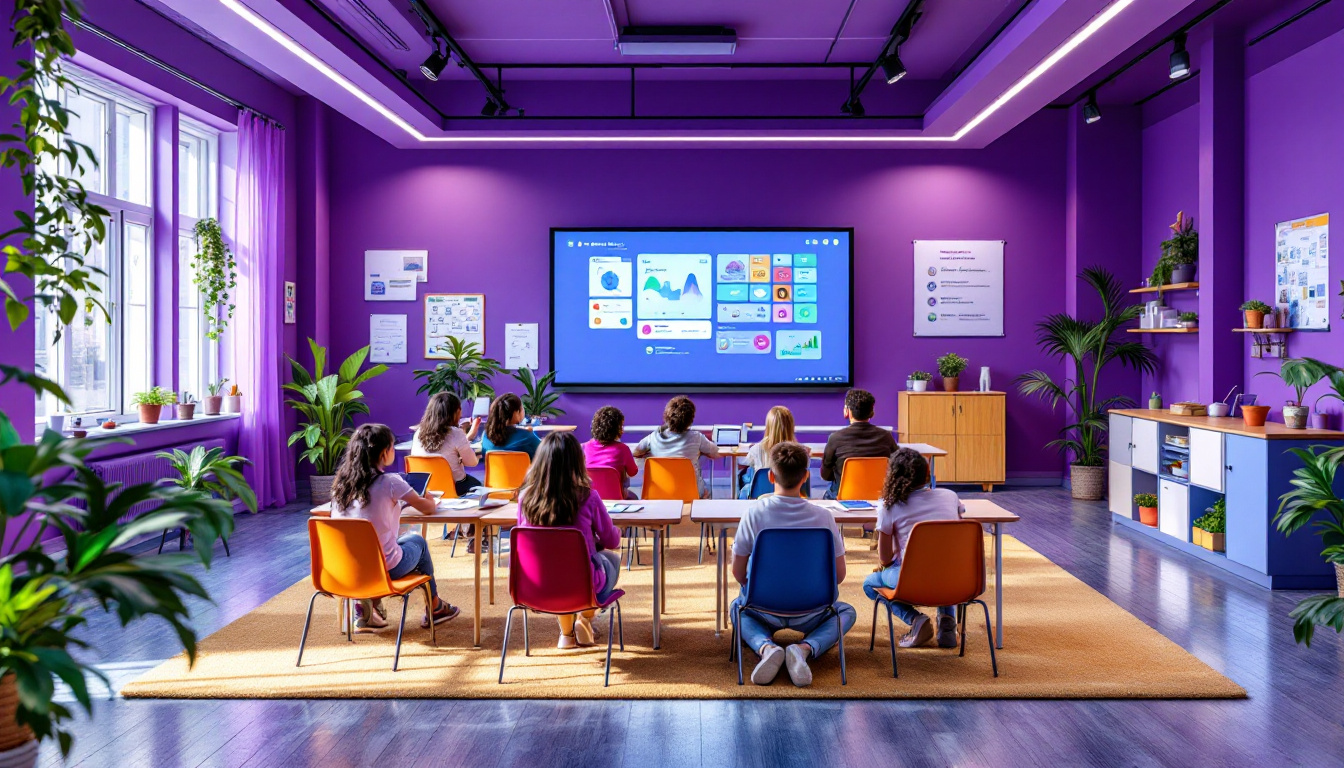
Understanding the Critical Importance of Social Skills in Autism
Developing social skills in teenagers with autism is vital for their independence, friendships, and overall well-being. Tailored, evidence-based interventions can help bridge social gaps, foster confidence, and improve quality of life. This article explores research-supported methods, supportive frameworks, and innovative strategies to enhance social competence among autistic adolescents.
Structured Learning and Evidence-Based Programs for Social Skills Development
How can educators and parents support social development in children with autism?
Supporting social development in children with autism involves a multifaceted approach that combines structured teaching, practice, and personalized strategies. Educators and parents play a crucial role by employing various techniques that facilitate learning and generalization of social skills.
One effective method is explicit instruction, where specific social behaviors such as initiating conversations or reading social cues are broken down into manageable steps. This structured teaching often includes modeling appropriate behaviors, where adults or peers demonstrate desired interactions.
Visual supports like social stories, emotion cards, and visual schedules help children understand social expectations and routines. These visual aids clarify social norms and aid memory, making abstract concepts more concrete.
Role-playing and pretend play provide safe environments for children to practice social interactions, such as greeting others, sharing, or managing conflicts. These activities can be tailored to each child's needs, interests, and developmental level, thus increasing engagement.
Involving speech therapists and occupational therapists can enhance communication and sensory integration, respectively. They can provide targeted interventions that support pragmatic language skills and emotional regulation.
Creating predictable routines reduces anxiety and helps children anticipate social situations, encouraging participation. Gradually introducing new activities or peer interactions prevents overwhelming the child.
Structured social skills programs like PEERS® (Program for the Education and Enrichment of Relational Skills) exemplify evidence-based approaches specifically designed for adolescents and young adults with ASD.
PEERS® addresses core social challenges such as making and keeping friends, conversational skills, understanding peer acceptance, and managing rejection or conflict. The program employs concrete rules, role-playing, behavioral rehearsal, and homework assignments to reinforce learning.
Parents and caregivers are actively involved as social coaches, practicing skills at home and encouraging application in the community. Collaborating with program leaders and therapists ensures that interventions are individualized and effective.
Research funded by NIH and CDC supports the effectiveness of these approaches, emphasizing their focus on real-world applicability. For instance, studies with PEERS® indicate improvements in social competence, confidence, and peer relationships.
Additionally, social skills training through peer-mediated interventions, video modeling, and social groups offers experiential learning. These environments promote cooperation, self-awareness, and self-esteem.
Practical integration of these strategies into daily routines—for example, setting up social groups centered on shared interests like music or gaming—provides meaningful contexts for practicing skills.
In summary, a combination of structured intervention programs, visual supports, role-playing, and active parental involvement establishes a comprehensive support network for children with autism. Tailoring these strategies to individual needs ensures more effective development and generalization of social skills, ultimately fostering greater social participation, happiness, and a sense of belonging.
Innovative and Adaptable Interventions to Suit Individual Needs
Why is it important to tailor social skills programs to individual interests and abilities?
Every teenager with autism is unique, with distinct strengths, preferences, and challenges. Customizing social skills interventions ensures they are engaging, relevant, and effective for each person. For instance, some teens may respond better to visual supports, while others thrive with peer-led activities or technology-based methods. Tailoring programs also helps address specific social difficulties—like understanding sarcasm, managing emotions, or initiating conversations—making interventions more meaningful and sustainable.
Involving caregivers, teachers, and therapists in this customization process is crucial. They can assess the teen’s interests and comfort levels, then adapt strategies accordingly. This personalized approach not only enhances motivation but also supports more natural and lasting social development.
Introduction of SDARI: Socio-Dramatic Affective Relational Intervention
One innovative model gaining attention is SDARI, developed by Matthew Lerner. This approach emphasizes improvisation games that encourage spontaneous social interactions and emotional expression.
SDARI incorporates embedding rewards directly into social activities, such as integrating video games into learning curriculums. These games provide engaging contexts where teens can practice social skills like cooperation and patience while feeling a sense of achievement.
Building positive relationships with counselors and peers is another core element. Such relationships foster a safe environment for teens to experiment with new social behaviors, reducing anxiety and promoting genuine connection.
Using role-playing, social stories, and engaging activities like video games
Effective interventions often include role-playing exercises, where teens simulate real-life social situations. This practice helps them develop confidence and refine their responses to various social cues.
Social stories are narrative tools that illustrate appropriate behaviors and social norms. They are tailored to the teen’s specific scenarios and help them understand complex social expectations.
Furthermore, integrating activities like video games—such as Guild Chronicles, designed for social-emotional growth—can significantly enhance engagement. These games teach skills like collaboration, frustration management, and decision-making in a fun, interactive format.
Recent research supports these methods, showing improvements in social skills, increased self-confidence, and reduced feelings of loneliness among participants. Combining structured learning with interests and real-world relevance makes these interventions more appealing and effective.
Summarizing research-supported strategies
| Strategy | Description | Evidence Base |
|---|---|---|
| Social Skills Training (SST) | Explicit instruction, modeling, role-playing | Widely supported by research, improves social interactions |
| Peer-Mediated Approaches | Using typically developing peers as social supports | Promising outcomes, especially in natural settings |
| Social Stories & Narratives | Visual stories to model social situations | Effective, especially when tailored to individual needs |
| Video Modeling & Self-Modeling | Videos of success to reinforce behaviors | Demonstrated to boost social engagement and confidence |
| Applied Behavior Analysis (ABA) | Structured techniques for skill acquisition | Established effectiveness across various domains |
| Technology & Gaming | Interactive games for social-emotional learning | Increasingly supported, especially for engagement |
In conclusion, a multifaceted, individualized approach—integrating evidence-based methods like SDARI, social stories, role-playing, and engaging activities—can significantly improve social skills in teenagers with autism. Tailoring these strategies to each teen's preferences and needs enhances motivation, fosters genuine social connections, and supports long-term development.
Utilizing Role-Play, Social Narratives, and Game-Based Learning
How do activities like role-playing games improve social interactions for autistic individuals?
Engaging activities such as role-playing games (RPGs) offer a powerful means to develop social skills among individuals with autism by creating structured, immersive environments where social interactions can be practiced safely and enjoyably. These games, including tabletop RPGs like Dungeons & Dragons and specialized ones like Guild Chronicles, enable participants to rehearse social scenarios, enhance communication, and understand social cues in a low-pressure setting.
Role-playing exercises often involve scripts, visual supports, and modeling by facilitators or peers, helping children and teens learn appropriate responses, manage emotions, and develop empathy. For example, Guild Chronicles incorporates elements like collaboration, frustration management, and decision-making, which mimic real-life social challenges. Regular participation can translate into improved social understanding and more confident interaction in everyday life.
The role of activities like role-playing games such as Guild Chronicles to teach collaboration, frustration management, and decision-making.
Games like Guild Chronicles are designed not only to entertain but also to serve educational purposes. They teach essential social-emotional skills through engaging gameplay that emphasizes teamwork, advocating for oneself, and strategic thinking. During these sessions, players encounter situations where they must communicate effectively, negotiate with others, and resolve conflicts—skills crucial for social success.
The activity structure promotes patience and resilience as participants learn to handle setbacks or frustrations with peers, fostering emotional regulation. These experiences help reduce anxiety related to social situations and prepare adolescents with autism to navigate complex social landscapes with greater ease.
Benefits of engaging, game-based approaches, with participants reporting increased confidence, reduced loneliness, and improved social functioning.
Research and anecdotal feedback show that game-based learning approaches yield tangible benefits for autistic individuals. Participants report enjoying their involvement so much that they are often unaware of the social skill learning happening beneath the surface. Regular engagement with these activities can lead to increased self-confidence and a sense of belonging.
Additionally, studies have linked participation in such games to a decrease in feelings of loneliness, as players form bonds through shared goals and experiences. The interactive nature of game-based platforms encourages spontaneous communication, turn-taking, and cooperation—core components of social competence.
Through targeted, enjoyable experiences like Guild Chronicles, autistic teens gain practical social skills that enhance their ability to join conversations, collaborate with peers, and manage social stressors outside the gaming context. These benefits contribute to greater integration into community and school activities, fostering happiness, friendship, and overall well-being.
| Approach | Main Focus | Benefits | Typical Activities |
|---|---|---|---|
| Role-Playing Exercises | Social scenario rehearsal | Confidence building, understanding social cues | Scripted role plays, guided scenarios |
| Social Stories | Explanation of social situations | Clarify social expectations, reduce anxiety | Visual stories, checklists |
| Game-Based Learning | Collaboration, frustration tolerance | Increased engagement, social-emotional growth | Guild Chronicles, Dungeons & Dragons |
| Peer-Mediated Strategies | Inclusive interaction | Social acceptance, skill generalization | Peer groups, cooperative tasks |
Supporting social skills development through structured activities
Incorporating games like Guild Chronicles and other role-playing activities into therapy or social programs provides a dynamic way for autistic adolescents to learn, practice, and internalize social behaviors. When combined with social stories, visual supports, and real-world practice, these methods create a comprehensive framework that addresses individual needs.
Furthermore, involving peers—whether neurotypical or autistic—fosters inclusive environments, encouraging meaningful interactions. Caregivers and therapists play a vital role in guiding participants, offering feedback, and gradually increasing complexity as skills improve.
Search Query: Role-playing games and social stories for autism social skills development
Research supports that combining storytelling and gaming strategies enhances learning outcomes for autistic individuals. Social stories prepare children for specific situations, while role-playing games promote active participation and emotional regulation.
In summary, gamified approaches such as Guild Chronicles serve multiple functions: they make social learning engaging, teach critical skills, and facilitate stronger social connections, all crucial for supporting healthy development in teens with autism.
Building Confidence and Social Competence through Practical Strategies
What specific social skills should be targeted and how can they be effectively taught to individuals with autism?
Developing social skills in teenagers with autism involves focusing on a range of specific behaviors that foster positive interactions and social understanding. Essential skills include initiating and maintaining conversations, understanding and interpreting facial expressions and body language, applying turn-taking and sharing, recognizing social cues, practicing empathy, and resolving conflicts.
Effective teaching methods are diverse and often combined for optimal results. Role-playing exercises, where teens practice social scenarios in a low-pressure environment, allow for immediate feedback and correction. Modeling positive social interactions through videos or peer demonstrations helps adolescents observe and imitate appropriate behaviors.
Social narratives or stories tailored to individual needs serve as visual and textual guides to understanding social norms and expectations. These are often reinforced with visual aids like picture cards or social story books.
In addition, research-supported programs such as Second Step or Positive Action provide structured curricula that establish clear social rules and expectations while fostering social motivation.
Creating real-life opportunities for applying these skills is crucial. Activities like classroom jobs, peer mentorship programs, group projects, and structured social games promote active practice in natural settings. Peer-mediated interventions, where neurotypical peers are trained to engage and include teens with autism, also enhance social participation.
Routine assessments and observations help identify which skills require more focus and allow for the adjustment of teaching strategies. Combining these approaches—explicit instruction, modeling, role-play, and real-world practice—supports the gradual acquisition and generalization of vital social skills.
How can visual supports and social stories aid in developing social competence?
Visual aids and social stories are powerful tools that help individuals with autism understand complex social dynamics. Visual supports include picture exchange systems, social scripts, calendars, and emotion cards that clarify expectations and cues during social interactions.
Social stories are narrative-based multimedia tools that depict specific social situations, such as greeting peers, taking turns, or handling peer rejection. They incorporate simple language, relevant visuals, and checklists to guide behavior.
These aids serve to reduce anxiety by providing predictable frameworks and routines, facilitating understanding of social norms. They are customizable to individual interests and abilities, making learning engaging and meaningful.
When used consistently across environments—home, school, community settings—visual supports and social stories reinforce learning and help teens transfer skills to real-world contexts.
How can creating real-world practice opportunities like peer groups, classroom activities, and community events boost social confidence?
Providing authentic social experiences is vital for generalizing skills learned in training contexts. Organized peer groups, especially those focused on shared interests such as gaming, music, or sports, create supportive environments where teenagers can practice social skills naturally.
Classroom activities like cooperative learning groups, turn-taking games, and group projects promote interaction, communication, and teamwork.
Community events, such as local clubs, hobby groups, or recreational outings, offer teens with autism chances to engage in social situations outside standard settings. These activities help improve confidence, reduce social avoidance, and foster friendships.
Supporting these opportunities includes guiding teens through social interactions beforehand, discussing possible scenarios, and debriefing afterward to reinforce learning.
Parental and educator involvement is crucial, providing encouragement, feedback, and positive reinforcement. Consistent participation in real-world settings promotes motivation, enhances social competence, and builds resilience.
How do these strategies collectively support social skill development?
Combining targeted skill instruction, visual supports, and practical application creates a comprehensive approach that addresses multiple aspects of social competence. Visual aids and social stories make abstract concepts concrete, while role-playing and modeling facilitate skill internalization.
Real-world practice ensures that skills are not only learned but also retained and generalized across settings. This integrated approach contributes to increased confidence, improved peer relationships, and overall better quality of life for teenagers with autism.
The ongoing assessment and personalization of programs ensure that interventions remain relevant and effective, empowering teens to navigate social environments with greater ease and joy.
Challenges, Considerations, and Customized Support in Social Skill Development
What challenges and considerations should be taken into account when developing social skills in autistic adolescents?
Developing social skills in autistic teenagers involves navigating a variety of unique challenges. Many autistic adolescents experience difficulties with understanding social cues such as facial expressions, gestures, body language, and vocal intonations. These challenges often stem from differences in Theory of Mind—the ability to interpret and respond to others' thoughts and feelings—which can hinder social comprehension.
Furthermore, children and teens with autism may exhibit behaviors like withdrawal, preferring to play alone, or approaching others in unusual ways. They might also find it hard to initiate conversations or maintain eye contact, which are typical social behaviors. Sensory sensitivities are common; loud or chaotic environments can increase anxiety, making social interactions more stressful.
Anxiety levels significantly influence social engagement, often leading to avoidance of social situations, which in turn impairs social skill acquisition. Additionally, many autistic teens find change, unpredictability, and transitions challenging, thereby increasing their social stress.
Addressing these complexities requires a nuanced approach. Strategies should start with an assessment of individual needs, strengths, and interests, often through tools like the Autism Social Skills Profile (ASSP) or observations from parents and teachers. Tailoring interventions to include visual supports like social stories, role-playing, and video modeling can provide concrete frameworks for understanding social norms.
It’s essential to incorporate real-world practice in safe, predictable environments, gradually increasing complexity as skills improve. Support from a multidisciplinary team—including speech therapists, occupational therapists, behavior analysts, and educators—is vital for fostering social competence.
The importance of individualized, flexible interventions.
One of the most effective approaches involves customizing social skills programs to each adolescent’s unique profile. Instead of rigid, one-size-fits-all curricula, interventions should consider personal interests—such as gaming, music, or sports—to embed social learning into activities that motivate the individual.
Flexibility is also crucial. While structured sessions with role plays, social stories, and skills rehearsals form a core part of intervention, these activities should be adaptable. For example, if a teen has high sensory sensitivities, interventions might involve shorter sessions in quieter environments or incorporate sensory breaks.
Consulting with therapists, school staff, and family members ensures that supports are consistent across settings. This collaboration helps reinforce skills in a variety of contexts, from home to school, and in community environments. Regular assessment and feedback allow for ongoing adjustments, making sure strategies remain relevant and effective.
Supporting emotional understanding and facilitating generalization of skills.
Enhancing emotional awareness is fundamental. Many autistic adolescents benefit from explicit instruction in recognizing and labeling their own feelings and those of others. Using visual aids like emotion cards or social stories helps them understand complex social and emotional cues.
Facilitating generalization—the transfer of learned skills to real-life situations—is often overlooked but is essential for meaningful progress. Practicing skills in multiple settings, such as social groups, community outings, or online platforms, encourages teens to apply what they’ve learned in diverse contexts.
Involving parents, peers, and community members in intervention efforts enriches opportunities for natural social interactions. For instance, encouraging participation in shared-interest groups (like Minecraft clubs or music groups) provides safe, engaging environments for practicing conversation and cooperation.
Creating predictable routines and offering consistent encouragement fosters confidence and resilience. When teens see that their efforts lead to positive social experiences, they develop motivation and reduce anxiety related to social encounters.
Overall, a comprehensive, personalized approach—combining explicit instruction, emotional support, varied practice, and collaborative planning—can effectively bolster social skills in autistic adolescents. This, in turn, enhances their ability to form meaningful relationships, participate actively in their communities, and experience greater overall well-being.
Conclusion: Empowering Autistic Teens for Social Success
 Building confidence and fostering natural social interactions are vital components of supporting teenagers on the autism spectrum. Structured and engaging social skills programs, such as PEERS and SDARI, emphasize personalized approaches that respect individual interests and needs. These programs utilize evidence-based techniques like role-playing, behavioral rehearsal, visual supports, and group activities to teach essential social skills.
Activities like role-playing games (RPGs) have shown promising results in improving social interactions for autistic individuals. By providing a safe, structured environment, these games allow teens to practice real-life social scenarios, develop communication skills, and understand social cues. For instance, tabletop RPGs such as Dungeons & Dragons and specialized games like Guild Chronicles encourage teamwork, decision-making, and emotional regulation. These activities help participants advocate for themselves, reduce loneliness, and build social confidence.
Patience, persistence, and celebrating small milestones are crucial to successful social development. Progress may be gradual, and each achievement fosters motivation and self-esteem. Supportive environments—whether at home, school, or community groups—are essential in creating opportunities for social practice and reinforcement. Engaging in community activities and peer groups offers real-world contexts where teens can apply their skills, gain acceptance, and develop friendships.
Ongoing professional guidance from therapists, teachers, and social workers plays a significant role in tailoring interventions and assessing progress. Using tools like social stories, visual aids, and social narratives, professionals help teens interpret social cues and respond appropriately. Parental involvement and positive reinforcement at home complement formal interventions, ensuring consistency and encouragement.
Ultimately, empowering autistic teens involves fostering an environment of acceptance, patience, and continuous support. By integrating engaging activities, professional expertise, and community involvement, we can help adolescents build meaningful relationships, navigate social challenges, and thrive socially.
| Aspect | Strategy | Benefits |
|---|---|---|
| Social Skills Development | Structured programs (PEERS, SDARI) | Personalized learning, evidence-based techniques |
| Engagement & Practice | Role-playing, social games, peer groups | Builds confidence, improves communication |
| Community Involvement | Social clubs, hobbies, online groups | Real-world experience, social inclusion |
| Support & Guidance | Professional assessments, parental involvement | Tailored interventions, ongoing progress tracking |
Harnessing Support and Celebrating Progress
Developing social skills in teenagers with autism is a multifaceted process that benefits from structured interventions, personalized approaches, and innovative activities like role-playing games. Collaboration among families, educators, and professionals is essential to create environments that encourage social understanding and emotional resilience. Patience, persistent effort, and celebrating small achievements can foster greater confidence and independence, ultimately helping autistic adolescents forge meaningful friendships and participate actively in their communities. As advances in research continue, the integration of effective, evidence-based practices into everyday settings holds promise for empowering more teens with autism to navigate the social world with confidence and competence.
References
- Promoting social skills for autistic teens | Autism Speaks
- Teaching social skills to autistic teens, with Elizabeth Laugeson, PsyD
- 11 Social Skills for Teens with ASD - Psych Central
- Making friends - supporting your autistic child
- Social skills and autism | Autism Speaks
- Social Skills - Teenage Resource - Middletown Centre for Autism
- Q&A: Can Role-Play Games Help Improve Autistic Teens' Social ...
- Developing Social Skills With Autistic Young People - The Wave Clinic
- Social Skills for Autistic Adolescents and Teens

