
Can Cats Have Autism?
Understanding Behavioral Traits in Cats and Their Connection to Autism-Like Characteristics

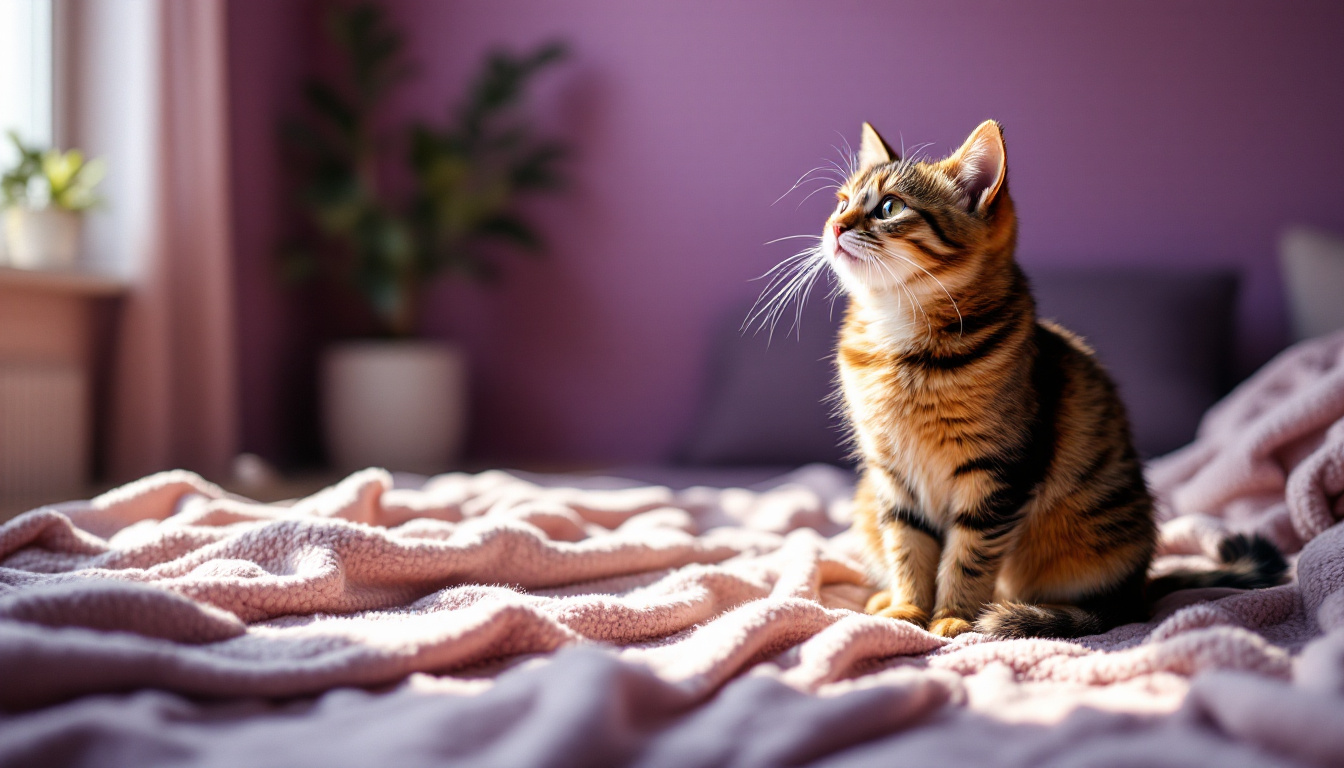
Exploring the Complexity of Feline Behaviors and Neurodiversity
Many pet owners and animal enthusiasts wonder whether cats can experience conditions similar to human autism. While cats cannot be diagnosed with autism spectrum disorder (ASD) in the same clinical way humans can, certain behaviors may resemble autism-like traits. This article delves into the latest scientific perspectives, behavioral signs, and the broader concept of neurodiversity in animals, aiming to enhance understanding and promote compassionate care for our feline friends.
Understanding Neurodiversity and Its Application to Cats
Neurodiversity is a concept that originated in human psychology and advocacy, emphasizing that variations in brain function are natural and should be respected rather than stigmatized. It recognizes that individuals—whether they have autism, ADHD, or other neurological differences—contribute unique perspectives and strengths.
Extending this idea to animals, especially cats, is an emerging field of interest. While cats are not diagnosed with neurodivergent conditions, researchers observe that they exhibit a variety of behaviors and cognitive traits that reflect natural brain diversity. Different cats may process stimuli differently, display varying social tendencies, or show distinct attention patterns, similar to how humans experience neurodiversity.
This understanding underscores the idea that brain differences are part of the natural spectrum of animal behavior. Such variations are not necessarily signs of disorder but rather normal differences that add to the richness of animal personality and adaptability. Recognizing this helps promote a more compassionate view of animal behaviors and reminds us of the diversity present in all species.
| Topic | Explanation | Additional Notes |
|---|---|---|
| Human neurodiversity | Variations in brain development and functioning are natural and valued. | Includes autism, ADHD, and other conditions. |
| Neurodiversity in animals | Emerging understanding that animals show individual cognitive differences. | Focuses on natural variations, not illness. |
| Natural brain variations | Differences in sensory processing, attention, and social behavior. | Observed in many species, including cats. |
While cats are not clinically diagnosed with neurodivergence, observing their behaviors can deepen our understanding of brain diversity across species. Recognizing these variations fosters empathy and appreciation for the uniqueness of each animal.
Mental Health in Felines: Anxiety, Depression, and Cognitive Issues
Can cats have mental health issues such as depression, anxiety, or dementia?
Yes, cats can experience a range of mental health conditions, including depression, anxiety, and cognitive decline. Recognizing these issues early is important for their well-being.
What are the signs and symptoms of mental health issues in cats?
Depressed cats may show decreased activity, lack of interest in playing or exploring, poor grooming habits, and changes in sleep patterns or appetite. Anxious cats might vocalize excessively, become restless, hide more often, or show inappropriate elimination outside the litter box.
Common causes and triggers for mental health issues in cats
Environmental changes such as moving to a new home, the loss of a companion, or changes in the household routine can trigger stress and anxiety. Illness, trauma, or even lack of mental stimulation can also contribute to emotional distress. Recognizing and minimizing these stressors can help maintain your cat's mental health.
Treatment options and management strategies
Addressing mental health concerns involves a multi-faceted approach:
- Environmental enrichment: Providing toys, climbing spaces, and regular playtime to keep your cat engaged.
- Behavior modification: Training and reassurance to reduce anxiety and promote positive behaviors.
- Medications: In some cases, veterinarian-prescribed medications may be necessary.
- Managing stressors: Creating a stable and predictable environment, along with gradual adjustments when necessary.
Additional tips for supporting your cat's mental well-being
Routine veterinary checks are vital to rule out underlying health problems. Ensuring a calm, enriching environment and observing your cat’s behavior regularly can help catch issues early.
| Aspect | Description | Additional Tips |
|---|---|---|
| Signs of depression | Lethargy, poor grooming, loss of interest | Consult vet if signs persist |
| Signs of anxiety | Excessive vocalization, hiding, inappropriate elimination | Provide safe spaces |
| Causes | Environmental changes, illness, loss | Maintain routine and familiarity |
| Management options | Environment enrichment, medical therapy | Personalize strategies to your cat's needs |
Supporting your cat's mental health is a continuous process. With patience and proper care, you can help your feline friend lead a happy, balanced life.
Can Cats Have Autism or Autism-Like Behaviors?
Are cats capable of having autism or exhibiting autism-like behaviors?
Autism spectrum disorder (ASD) is a condition diagnosed in humans, characterized by a complex blend of social, communication, and behavioral traits. It is based on neurological and developmental factors that we cannot currently identify in animals. Therefore, cats cannot be officially diagnosed with autism in the same way humans can.
However, some cat owners notice behaviors that appear similar to certain autism traits. These may include repetitive movements, social withdrawal, sensitivities to loud noises or sudden changes, and heightened responses to stimuli. Such behaviors can sometimes be mistaken for autism-like traits, but they are often caused by other factors.
Many times, unusual behaviors in cats stem from underlying health problems, stress, or anxiety. It's crucial for pet owners to pay attention to these signs and seek advice from a veterinarian. Proper diagnosis involves ruling out medical issues or environmental factors that might cause such behaviors.
While the concept of autism in animals remains a human-specific diagnosis, understanding these behaviors helps ensure cats receive suitable care. Creating a calm environment and addressing health concerns can improve their well-being. Ultimately, recognizing the difference helps us provide the best support for our feline friends.
Signs and Indicators of Autism-Like Traits
What are the signs of autism or similar behavioral traits in cats?
Identifying autism-like traits in cats involves observing certain behaviors that may seem unusual or persistent. Common signs include social withdrawal, such as avoiding human interaction or distancing themselves from other cats. These cats might show reluctance to be touched or handled, or they may ignore or avoid social play.
Repetitive behaviors are also significant indicators. These could manifest as excessive grooming, head bobbing, pacing, or other stereotypical actions. Some cats might vocalize more than usual, displaying increased noise or unusual sounds, which can indicate distress or discomfort.
Changes in sleep and eating habits are additional clues. An affected cat might have trouble sleeping, either insomnia or sleeping more than usual. Likewise, alterations in appetite—either eating significantly more or less—can be signs of underlying behavioral or health issues.
Sensitivity to environmental stimuli is another important aspect. Cats showing signs of hypersensitivity might react strongly to sounds, touches, or changes in their environment, manifesting agitation, stress, or hiding behaviors.
It is crucial to understand that these signs can also stem from medical problems or environmental stressors. Therefore, consulting a veterinarian is essential for an accurate diagnosis. Although cats cannot be diagnosed with autism in the human sense, recognizing these behaviors can help pet owners seek appropriate professional advice, ensuring the well-being of their feline companions.
Species-Specific Conditions: Why Cats Don’t Have Human Disorders
Can cats have conditions like Down syndrome or ADHD?
Cats cannot develop conditions such as Down syndrome or Attention Deficit Hyperactivity Disorder (ADHD) because these are human-specific disorders that stem from complex genetic or neurological factors unique to human biology. Down syndrome, for example, is caused by an extra chromosome, a genetic anomaly that does not occur in feline DNA. Similarly, ADHD involves intricate brain development patterns that are not present in cats.
While cats do not experience these human developmental or neurodivergent conditions, they can suffer from other health issues that influence their behavior and physical well-being. For instance, cats can develop medical problems like infections, parasites, cancers, or metabolic diseases such as diabetes. These conditions can sometimes lead to behavioral changes, such as increased agitation or lethargy, which might be mistaken for human behavioral disorders.
In addition to health issues, cats can carry zoonotic infections that impact human health. Bacterial germs like Bartonella henselae (which causes cat scratch disease), Toxoplasma gondii (which can affect pregnancy and immune-compromised individuals), and Salmonella are examples of germs that can be transmitted from cats to humans. These germs can cause symptoms that might seem unusual or concerning but are actually related to infections rather than developmental disorders.
Why cats cannot have human-specific genetic conditions?
The core reason is species difference. Cats’ genetic and neurological makeup is different from humans, so they cannot develop disorders that depend on human-specific genetic anomalies. Their health issues are primarily related to infections, environmental toxins, or age-related illnesses rather than inherited developmental syndromes.
Understanding medical conditions and behaviors in cats
If your cat exhibits unusual behavior, such as sudden aggression, excessive scratching, or significant changes in activity levels, it is important to consult a veterinarian. Proper veterinary care, including hygiene and vaccinations, helps manage health issues and minimizes zoonotic risks.
For more information about medical conditions affecting feline behavior, searching terms like "medical conditions in cats related to behavior" can provide helpful resources and guidance on early signs and preventative care.
| Condition/Issue | Causes/Implications | Species Affected | Additional Notes |
|---|---|---|---|
| Infections (e.g., Bartonella, Toxoplasma) | Zoonotic germs that affect health and behavior | Cats and humans | Can cause flu-like symptoms or serious health problems |
| Diabetes | Metabolic disorder affecting energy levels and behavior | Cats, especially older or overweight | Requires medical management |
| Cancers | Tumors affecting physical and possibly behavioral health | Cats | Often require veterinary intervention |
| Parasites | External (fleas, ticks) or internal (worms) | Cats | Can cause discomfort, skin issues, and anemia |
Understanding these distinctions helps clarify why cats are not capable of human genetic or neurodevelopmental disorders but instead have their own spectrum of health conditions that require appropriate care.
Promoting Understanding and Acceptance of Feline Behaviors
 Educational initiatives and resources play a crucial role in fostering a deeper understanding of feline behaviors. Books like 'All Cats Are on the Autism Spectrum' utilize familiar and relatable imagery—using cats to represent traits such as sensory sensitivities, social challenges, and communication differences. These resources help pet owners and the general public recognize and appreciate the diverse ways cats express themselves.
Understanding these behaviors encourages compassionate pet care. When owners are aware that a feline’s seemingly unusual actions may be linked to sensory processing or social communication traits, they can tailor their care to support their pet’s comfort and wellbeing. For example, providing quiet spaces or consistent routines can reduce stress for cats with heightened sensitivities.
Addressing misconceptions about feline mental health is essential for both pet owners and society. Common myths suggest that cats are aloof or indifferent, which often leads to neglect or misunderstanding of their needs. Clarifying that cats, like humans, experience a range of emotions and behavioral differences promotes greater empathy. By integrating education about feline neurodiversity, we can build a more compassionate approach that recognizes and respects each cat’s unique personality.
In summary, raising awareness through educational efforts, promoting compassionate care practices, and debunking myths enhance the bond between humans and their feline companions. This approach fosters an environment where all cats—regardless of their behaviors—are understood, accepted, and appreciated for their individuality.
The Role of Veterinary and Behavioral Experts in Diagnosing and Supporting Cats
How are professionals involved in assessing feline behavior?
Veterinarians and animal behaviorists play crucial roles in understanding and supporting cats with behavioral challenges. They conduct detailed evaluations to identify underlying issues, whether medical or behavioral. These assessments help determine if a cat's actions are caused by health problems, environmental stress, or other factors.
What strategies are used for behavioral modification?
Once a diagnosis is made, tailored strategies are implemented to help cats adapt and thrive. These may include environmental enrichment, like toys and simulated outdoor experiences, and behavioral training techniques to encourage positive interactions. Patience and consistency are essential to ensure successful adjustment.
How do veterinarians and behaviorists work together?
Collaboration between veterinarians and animal behaviorists enhances the support provided to cats. Veterinarians address any medical concerns, such as pain or hormone imbalances, while behaviorists develop and oversee behavioral plans. This teamwork ensures a holistic approach, increasing the chances of successful outcomes for cats needing extra support.
Conclusion: Fostering Empathy and Understanding Toward Feline Neurobehavioral Traits
The book 'All Cats Are on the Autism Spectrum' skillfully uses the playful lens of cats to explore traits such as sensory sensitivities, social difficulties, and communication challenges. It aims to make complex concepts more accessible, emphasizing that neurodiversity exists across species and genders.
Understanding that these traits are natural variations helps foster a compassionate attitude toward neurodivergent pets and people alike. The book advocates for kindness, patience, and acceptance, underscoring that all beings deserve respectful care and understanding.
Celebrating neurodiversity encourages us to see differences not as problems, but as unique aspects of identity. Recognizing this diversity in our pets and ourselves promotes a more inclusive, empathetic, and joyful approach to life and relationships.
Embracing Diversity in Our Feline Companions
While cats cannot be diagnosed with autism in the same way humans can, observing behaviors that resemble autism-like traits can help pet owners respond appropriately. Recognizing that behavioral variations are often rooted in health issues, environmental factors, or neurological differences is crucial. Promoting awareness, understanding, and compassionate care enhances the well-being of our cats and fosters a more inclusive perspective on neurodiversity. Celebrating diversity in pets reflects a broader commitment to embracing the unique qualities of all beings, encouraging a more empathetic and informed approach to animal welfare.
References
- All Cats are on the Autism Spectrum (Updated Version) | Welcome
- CEU Event: Neurodiversity in Animals: Four-Part Series - ccpdt
- Neurodiversity in Veterinary Medicine - Alberta Animal Health Source
- Can Cats Suffer from Mental Disorders? - PetCareRx
- Anxiety Disorders in Cats - PetMD
- Diagnosing Behavior Problems in Cats - Merck Veterinary Manual
- 8 Alarming Signs of Depression in Cats - Autumn Trails
- Let's Talk about Cats and Mental Illness
- Zoonotic Disease: What Can I Catch from My Cat?

