
Autism and Service Dogs
Unleashing Potential: How Service Dogs Transform Lives in Autism

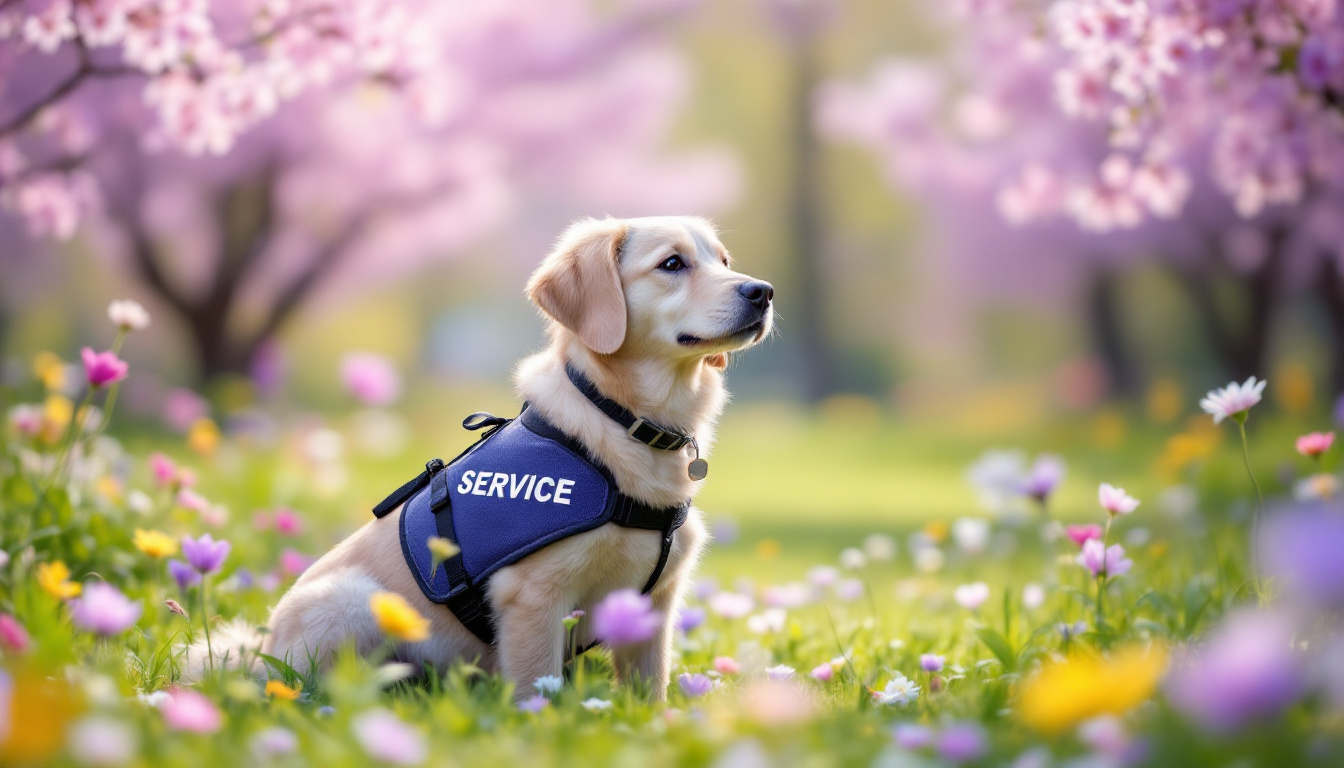
Introduction to the World of Autism Assistance Dogs
Service dogs hold transformative potential for individuals with autism, offering vital support in improving communication, emotional regulation, and social skills. These intelligent companions provide more than just assistance; they nurture independence and foster connections, enhancing daily life for those with Autism Spectrum Disorder (ASD).
The Essential Tasks of Autism Service Dogs
What are some insights into the tasks that service dogs are trained to perform for individuals with autism?
Service dogs trained for individuals with autism perform essential tasks that greatly enhance safety and emotional well-being. Their training often includes the ability to track wandering children, a critical task that ensures the safety of those prone to elopement. These dogs can also interrupt self-harming behaviors, alert caregivers to medical issues like seizures, and support children during transitions in various environments.
In addition to safety measures, service dogs play a significant role in reducing anxiety during challenging situations, such as medical appointments or school activities. For instance, they may engage in calming behaviors, such as leaning against their handler or laying across their lap, which can alleviate feelings of stress.
Families around the world are recognizing these dogs as valuable companions, and it's crucial to collaborate with accredited training agencies to ensure appropriate matching with each child's unique needs. With mission-driven organizations like 4 Paws for Ability and Autism Service Dogs of America, families can find support tailored to their requirements.
| Task Type | Examples of Specific Tasks | Impact on Quality of Life |
|---|---|---|
| Safety Assistance | Tracking wandering children, anchoring techniques | Provides peace of mind to caregivers |
| Behavioral Intervention | Interrupting self-harming actions, alerting caregivers during meltdowns | Improves emotional stability in children |
| Anxiety Reduction | Performing calming actions, enhancing comfort during stressful situations | Promotes independence and confidence |
| Social Skills Support | Engaging during social interactions, facilitating communication | Enhances social interactions & relationships |
Overall, the presence of a service dog can significantly improve quality of life by facilitating social interactions, offering companionship, and providing consistent support in various life challenges.
Distinguishing Service Dogs from Therapy Dogs and Their Unique Roles
What are the differences between service dogs and therapy dogs for children with autism?
Service dogs and therapy dogs serve distinct yet important roles in supporting children with autism.
Service Dogs
These dogs undergo extensive training to perform specific tasks that directly assist individuals with disabilities. For children with autism, service dogs can help calm them during distress, interrupt harmful behaviors, or provide emotional support through deep pressure therapy. They are protected under the Americans with Disabilities Act (ADA), allowing them public access rights, which means these dogs can accompany their handlers in virtually any location.Therapy Dogs
In contrast, therapy dogs are trained primarily to offer emotional support and comfort. They facilitate social interactions and provide companionship in therapeutic settings such as schools, hospitals, or care facilities but do not perform specific assistance tasks. These dogs do not have the same legal rights as service dogs, meaning they lack public access rights.
Both service and therapy dogs play a significant role in enhancing social interactions and emotional well-being for children with autism, yet the critical difference lies in their training and legal standing.
Obtaining a Service Dog: The Path to Support and Companionship
How can someone obtain a service dog for autism, and what is the application process?
To obtain an autism service dog, individuals typically require a formal diagnosis of autism spectrum disorder (ASD) and a recommendation from a healthcare provider. The first step is identifying a reputable organization that specializes in training Autism Assistance Dogs. Applicants usually undergo a needs assessment to determine specific skills necessary for their situation. These skills may include tether training for safety, tracking for wandering children, or alert commands to interrupt maladaptive behaviors.
Many organizations have extensive waiting lists due to the high demand for service dogs. This thorough matching process ensures that the dog will meet the unique needs of the individual, enhancing their quality of life through companionship and support in varied situations.
How much does it cost to get an autism service dog?
The cost of acquiring and training an autism service dog generally ranges from $10,000 to $25,000. This price includes various training stages such as socialization during puppyhood, obedience training, and task-specific training with professional trainers. Influencing factors include the selection process for the appropriate dog, the length of training, and specialized requirements based on the individual's needs and geographic location.
Funding options may partially cover these expenses, through nonprofit organizations, community fundraising efforts, and available grants. While basic training programs might be more affordable, the specialized tasks of service dogs often drive costs toward the higher end of the spectrum.
Organizations involved in service dog placements
Numerous organizations play a pivotal role in facilitating the pairing of service dogs with individuals needing assistance. Notable ones include:
| Organization | Focus Area | Notes |
|---|---|---|
| 4 Paws for Ability | Children with disabilities and veterans | Trains dogs to enhance the lives of families. |
| Autism Service Dogs of America | Well-trained service dogs for physical safety | Conducts thorough training for emotional anchoring. |
| Assistance Dogs International | Advocacy and training standards for assistance dogs | Focuses on improving the legal rights of those paired with service dogs. |
| Blessings Unleashed | Training rescue dogs for individuals with autism | Provides companionship through rescue dog services. |
| Canine Companions for Independence | Creating partnerships and enhancing independence | Recognized provider of assistance dogs. |
Overall, these organizations provide essential support and guidance throughout the process of obtaining a service dog, which greatly benefits individuals with autism.
The Lifelong Bond: Families and Their Autism Service Dogs

How do service dogs impact the families of children with autism?
Service dogs significantly benefit the families of children with autism by enhancing emotional well-being, reducing stress, and promoting positive family dynamics. The presence of a service dog can improve sleep behaviors for autistic children, leading to a decrease in parents' anxiety levels. This creates a more harmonious environment at home. Additionally, service dogs serve as social bridges, facilitating interactions and reducing stigma, thereby enhancing social inclusion for both the child and family.
Families frequently report improved relationships and co-regulation of emotional states, which indicates that service dogs can foster stronger family bonds. While they offer profound benefits, ongoing research is necessary to fully understand their broader psychosocial impact.
What role do service dog organizations play in assisting individuals with autism?
Service dog organizations are pivotal in assisting individuals with autism through training and placing service dogs that cater specifically to their needs. Notable organizations such as Autism Service Dogs of America and 4 Paws for Ability provide well-trained dogs that ensure physical safety and offer emotional support and companionship.
These service dogs perform significant tasks: they can interrupt maladaptive behaviors, provide grounding and sensory input, and assist with daily living tasks, all of which can alleviate anxiety and improve functioning in various settings. Moreover, these organizations educate families on proper dog care and maintain ongoing support, ensuring a successful partnership between the individual and their service dog. Ultimately, the practical and emotional support provided by these animals greatly enhances the quality of life for individuals with autism and their families.
| Aspects Covered | Impact on Families | Role of Service Dog Organizations |
|---|---|---|
| Emotional Well-Being | Enhanced through companionship | Training and ongoing support |
| Reduction in Stress | Improved sleep behaviors | Specifically trained service dogs |
| Family Dynamics | Stronger bonds and interactions | Educational resources for families |
| Social Inclusion | Facilitates interactions and reduces stigma | Provides emotional and social support |
Best Breeds and Their Traits: Matching Dogs to Autism Needs
What breeds are best suited to be service dogs for autism?
Breeds best suited to be service dogs for autism include:
- Golden Retrievers
- Labrador Retrievers
- Labradoodles
These breeds are renowned for their calm temperament, intelligence, and trainability. Other recommended breeds include: - Saint Bernards
- German Shepherds
- Newfoundlands
- Collies
- Bernese Mountain Dogs
- Great Pyrenees
All of these breeds share common traits including gentleness and patience, making them especially suitable for working with children with autism. They can be trained to recognize signs of distress, offering comforting pressure to alleviate anxiety, while also enhancing social skills.
What traits make certain breeds ideal?
The ideal traits of these breeds involve a mix of:
- Gentle nature
- Intelligence
- Ease of training
- Emotional sensitivity
By being approachable, these breeds can engage effectively with autistic children, leading to improved companionship and reduced stress in social situations.
Why is choosing the right breed important?
The choice of breed is crucial as it directly impacts the service dog’s effectiveness in assisting the child. Each child has unique needs based on their behavior and family dynamics. Matching the breed’s traits to these specific requirements can significantly improve the quality of life, ensuring the service dog serves as a reliable and comforting presence. This tailored approach fosters independence and social engagement, benefiting the entire family unit.
Conclusion: The Transformative Impact of Service Dogs
Service dogs are more than just aides to those with autism; they are life-changing partners who offer safety, comfort, and a bridge to a more inclusive world. Through their unique skills and trained behaviors, these dogs enhance independence and emotional resilience. By supporting not just individuals but entire families, autism service dogs facilitate a collective journey toward understanding, growth, and mutual support, proving that man's best friend is also an invaluable companion in the realm of autism caregiving.
References
- Autism service dogs
- Service dogs or therapy dogs for autism | Autism Speaks
- Autism Service Dogs - Guide Dogs of America
- What Do Autism Service Dogs Do? - ECAD
- a Child's Best Friend - Autism Service Dogs & Service Dog Training
- SERVICE DOGS FOR CHILDREN WITH AUTISM
- The effects of service dogs for children with autism spectrum ...
- Autism Assistance - Little Angels Service Dogs

